
- All
- Product Name
- Product Keyword
- Product Model
- Product Summary
- Product Description
- Multi Field Search
Views: 0 Author: Site Editor Publish Time: 2025-11-25 Origin: Site


Vanillin, the primary component of the extract of the vanilla bean, is a critical ingredient in the food industry. Its unique aroma and flavor make it indispensable for food manufacturers. The demand for vanillin has surged due to its extensive use in various food products, including chocolates, ice creams, and baked goods. Understanding the different types of vanillin, its applications, and the considerations for purchasing it is crucial for food manufacturers. This guide aims to provide comprehensive insights into vanillin, focusing on its types, uses, and the factors to consider when buying it from a Vanillin manufacturer.
Vanillin is a phenolic aldehyde, an organic compound with the molecular formula C8H8O3. It is primarily responsible for the characteristic flavor and aroma of vanilla. Vanillin can be derived naturally from vanilla beans or synthesized artificially. The natural extraction process is labor-intensive and costly, which has led to the development of synthetic alternatives.
Natural vanillin is extracted from the pods of the vanilla orchid, specifically Vanilla planifolia. This process involves curing and drying the pods, which is time-consuming and results in a product that is significantly more expensive than its synthetic counterpart. On the other hand, synthetic vanillin is produced through chemical synthesis, primarily from guaiacol or lignin, a byproduct of the paper industry. This method is more cost-effective and allows for large-scale production, making synthetic vanillin the preferred choice for many manufacturers.
The choice between natural and synthetic vanillin depends on several factors, including cost, availability, and consumer preference. Natural vanillin is often perceived as superior due to its authentic flavor profile and natural origin. However, its high cost and limited supply can be prohibitive for large-scale production. Synthetic vanillin, while lacking the complexity of natural vanillin, offers a more affordable and readily available alternative.
In recent years, there has been a growing trend towards natural ingredients, driven by consumer demand for clean labels and sustainable products. This has led some manufacturers to explore innovative methods for producing natural vanillin, such as fermentation using genetically modified yeast. These methods aim to combine the benefits of natural vanillin with the scalability and cost-effectiveness of synthetic production.
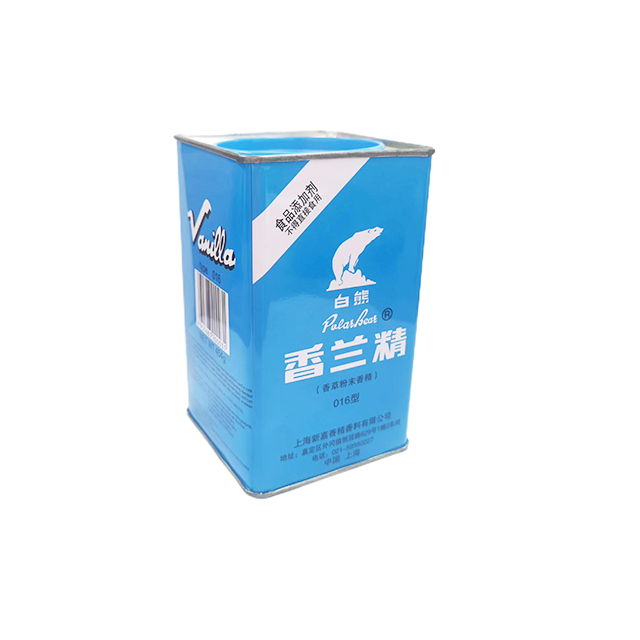
Vanillin is a versatile ingredient used in a wide range of food products. Its primary function is as a flavoring agent, imparting a sweet, creamy, and slightly woody flavor to foods. It is commonly used in confectionery, bakery products, dairy products, and beverages. In addition to its flavoring properties, vanillin also acts as an antioxidant, preserving the freshness and quality of food products.
In the confectionery industry, vanillin is used to enhance the flavor of chocolates, candies, and other sweet treats. Its ability to mask bitter notes and enhance sweetness makes it an essential ingredient in chocolate production. In bakery products, vanillin is used to add depth and complexity to the flavor profile of cakes, cookies, and pastries. It is also used in dairy products such as ice cream and yogurt, where it enhances the creamy texture and flavor.
Beyond traditional uses, vanillin is finding innovative applications in the food industry. It is being used in savory products to add a subtle sweetness and enhance umami flavors. Vanillin is also being explored as a natural preservative, thanks to its antioxidant properties. This opens up new possibilities for its use in a wider range of food products, including ready-to-eat meals and snacks.
Furthermore, vanillin is being used in the development of plant-based and vegan products. Its ability to mimic the flavor of dairy and other animal-derived ingredients makes it a valuable tool for manufacturers looking to create authentic-tasting plant-based alternatives. This trend is expected to continue as consumer demand for plant-based products grows.
When purchasing vanillin, food manufacturers must consider several factors to ensure they select the right product for their needs. These factors include the type of vanillin, its purity, and the supplier's reputation. Understanding these factors can help manufacturers make informed decisions and optimize their product formulations.
The first consideration is the type of vanillin. Manufacturers must decide between natural and synthetic vanillin based on their product requirements and consumer preferences. Natural vanillin is ideal for premium products where authenticity and natural origin are key selling points. Synthetic vanillin, on the other hand, is suitable for mass-market products where cost-effectiveness is a priority.
Purity and quality are critical factors in selecting vanillin. High-purity vanillin ensures a consistent flavor profile and minimizes the risk of off-flavors. Manufacturers should look for suppliers who provide detailed specifications and quality assurance for their products. This includes information on the vanillin's chemical composition, origin, and any additives or impurities.
The reputation of the supplier is another important consideration. Manufacturers should choose suppliers with a proven track record of reliability and quality. This includes evaluating the supplier's experience, certifications, and customer reviews. Working with a reputable supplier can help ensure a steady supply of high-quality vanillin and reduce the risk of supply chain disruptions.
Vanillin is a vital ingredient in the food industry, offering a unique flavor profile and versatility in various applications. Understanding the differences between natural and synthetic vanillin, as well as the factors to consider when purchasing it, is essential for food manufacturers. By selecting the right type of vanillin and working with reputable suppliers, manufacturers can enhance their product offerings and meet consumer demands for quality and authenticity.
1. What is the primary difference between natural and synthetic vanillin?
Natural vanillin is extracted from vanilla beans, while synthetic vanillin is chemically synthesized, often from guaiacol or lignin.
2. Why is synthetic vanillin more commonly used than natural vanillin?
Synthetic vanillin is more cost-effective and available in larger quantities, making it suitable for large-scale production.
3. How does vanillin function as an antioxidant in food products?
Vanillin helps preserve the freshness and quality of food by preventing oxidation, which can cause spoilage.
4. Can vanillin be used in savory food products?
Yes, vanillin is increasingly being used to add subtle sweetness and enhance umami flavors in savory products.
5. What should manufacturers consider when selecting a vanillin supplier?
Manufacturers should evaluate the supplier's reputation, experience, certifications, and customer reviews to ensure reliability and quality.
6. How is vanillin used in plant-based and vegan products?
Vanillin is used to mimic the flavor of dairy and other animal-derived ingredients, making it valuable for plant-based alternatives.
7. What are the innovative methods for producing natural vanillin?
Innovative methods include fermentation using genetically modified yeast, which aims to combine natural authenticity with scalability.
